About 1951
Marion First Sees Tom
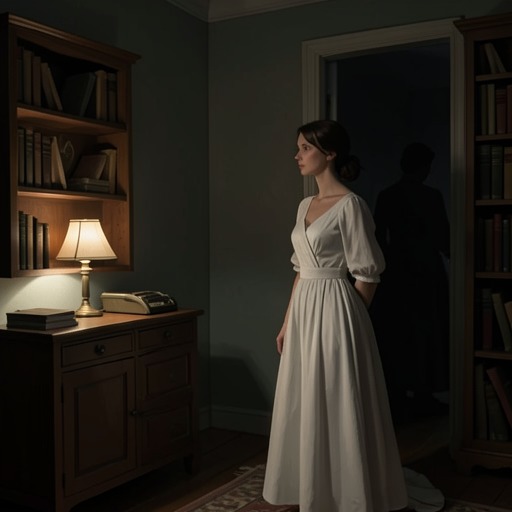
At school, [Marion Taylor](entity:character-recall-character-marion-taylor-2edb518f6a17) becomes friends with [Tom Burgess](entity:character-recall-character-tom-burgess-9afbca852755)’s sister, [Sylvie](entity:character-recall-character-sylvie-20cad0cd2875). On a visit to the Burgess home, she sees Tom in a doorway and is instantly captivated by his broad shoulders, blond curls, and blue eyes.
The encounter gives Marion a private object of longing. She begins looking for chances to visit Sylvie, hoping to glimpse Tom again.
A few years later
A Secret Gesture
While painting [Sylvie](entity:character-recall-character-sylvie-20cad0cd2875)’s nails, Marion brings her friend’s hand close to her mouth to test whether the polish has dried. Sylvie laughs and asks what she is doing, leaving Marion embarrassed and unsure of the impulse behind the gesture.
Tom appears at the bedroom door, and Marion’s attention shifts sharply to him. The scene foreshadows how desire and uncertainty will entwine in her relationships.
About 1954
The Lido Encounter
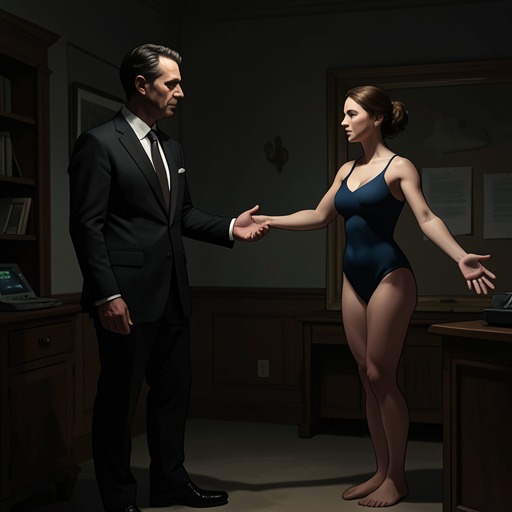
At [Black Rock Lido](entity:location-recall-location-black-rock-lido-13972b19939d), teenage Marion watches [Sylvie](entity:character-recall-character-sylvie-20cad0cd2875) attract the attention of boys while she feels awkward in her ill-fitting swimsuit. Tom arrives wet from swimming, and Marion struggles to look away from him.
When he discovers she cannot swim, she tells him she would like to learn. Sylvie challenges Tom to teach her, turning Marion’s wish into a promise she will treasure for years.
December, before Tom’s National Service
The Swimming Promise
At tea with the Burgesses, Tom announces that he has volunteered for National Service and will join the [Catering Corps](entity:organization-recall-organization-catering-corps-07b7c21db1d0). His father responds with a handshake, while his mother is distressed by his departure.
Tom remembers his promise to teach Marion to swim. That night, she writes about him in her notebook and begins recording her growing infatuation as if the written words might preserve their connection.
During her final year at grammar school
Marion Chooses Teaching
Asked about her future, Marion tells Miss Monkton she wants to become a teacher. The deputy head doubts that Marion has the backbone for the work and suggests a quieter office career instead.
Marion conceals her doubts about whether her parents will support her and claims they are behind her. She is beginning to imagine a life beyond the expectations placed on young women, though she has not yet found the confidence to claim it openly.
Spring 1957
Sylvie Announces Her Engagement
While sitting with Marion in [Preston Park](entity:location-recall-location-preston-park-3b35ba0b515d), [Sylvie](entity:character-recall-character-sylvie-20cad0cd2875) announces that she and [Roy](entity:character-recall-character-roy-930e89321f14) will marry. She also tells Marion that she knows about her crush on Tom, but insists that Tom is not like other men.
Sylvie describes her own uncertain sexual experiences with Roy, while Marion privately rejects the warning about Tom. Her refusal to face what Sylvie may mean becomes an early instance of the denial that will shape her marriage.
September 1957
Marion Begins Teaching
Marion starts work at [St Luke’s Infants’ School](entity:location-recall-location-st-luke-s-infants-sc-e79ae578c0b0), frightened by the unfamiliar building and the responsibility of a classroom. [Julia Harcourt](entity:character-recall-character-julia-harcourt-85cbe73b1785) welcomes her, shows her the infants’ rooms, and helps her settle into the school.
Marion’s first class tests her composure, but she writes her name on the blackboard and faces the children. The job begins to give her a sense of purpose and authority independent of her hopes for Tom.
Several years before 1957
Patrick’s Lost Love
[Patrick Hazlewood](entity:character-recall-character-patrick-hazlewood-08d01e828f3d) recalls his intense relationship with [Michael](entity:character-recall-character-michael-119cca2a9432), whom he loved and met in private. They made a domestic ritual of dinners and dancing, finding moments of intimacy in a world that condemned their relationship.
The secrecy was breached when Michael received blackmail letters demanding money. Within two months of the first threat, Michael died by suicide, leaving Patrick fearful of intimacy and haunted by the consequences of exposure.
About five years before 1957
The Blackmail Letters
A blackmailer threatens [Michael](entity:character-recall-character-michael-119cca2a9432) with exposure and demands money. Michael and Patrick visit the address together but find it empty, making the threat feel faceless and impossible to confront.
The price of silence doubles when a second letter arrives. Michael eventually dies by suicide, and Patrick is left with grief, anger, and a lasting fear that love can be destroyed by the law and the people who exploit it.
Early September 1957
Patrick Meets Tom
Patrick sees a woman fall from her bicycle after a car brushes past her and goes to fetch a policeman. The young constable who responds is [Tom Burgess](entity:character-recall-character-tom-burgess-9afbca852755), whose confidence and unusual warmth immediately attract Patrick.
The woman retracts her complaint, but Patrick and Tom share a brief conversation. Patrick is struck by Tom’s trust and openness, and the encounter becomes the beginning of a careful pursuit.
The week after their first meeting
Patrick Follows the Policeman
Patrick repeatedly hopes to encounter Tom again around [Brighton](entity:location-recall-location-brighton-198006e5b23f). When they meet on St George’s Road, Tom tells him that he wants a case to prove himself in the police force and asks about Patrick’s work at the museum.
Patrick invites Tom to sit for a proposed portrait of ordinary townspeople. Tom agrees, pleased by the possibility that his image might be shown in a museum, while Patrick privately recognizes that the project is also a way to see him again.
Late September 1957
The Museum Invitation
Patrick watches Tom at the museum and talks with him about art, including a Turner sketch of the sea. Tom’s honest response delights Patrick, who sees that the young policeman is curious despite his limited formal education.
Patrick asks Tom to bring his teacher friend, Marion, to the museum. He gives Tom his studio address and suggests they meet there for future sittings, turning a professional pretext into an invitation to private company.
29 September 1957
Patrick’s Private Journal
Patrick begins writing again after deciding that he has met someone who matters. He records his attraction to Tom and recognizes the danger of becoming attached to a young policeman in a society where male intimacy is criminalized.
His journal also revisits the death of [Michael](entity:character-recall-character-michael-119cca2a9432) and the loneliness that followed it. Writing becomes both a record of desire and a private refuge from the risks of speaking openly.
1 October 1957
Tom Sits for Patrick
Tom visits Patrick at [Brighton Museum and Art Gallery](entity:location-recall-location-brighton-museum-and-f9814b46da2e), where Patrick shows him the collection before bringing him to his office. Tom is eager to begin the portrait, but Patrick insists that they first get to know one another.
They talk about Tom’s police work, swimming, and his growing interest in art. Patrick begins to record Tom’s qualities on paper, while the portrait project provides a plausible reason for their meetings and a structure for their growing intimacy.
2–7 October 1957
Patrick Waits for Tuesday
Patrick grows impatient between appointments and nearly goes to find Tom at his police box, but turns back when he realizes he has no credible reason to appear. He is aware that his eagerness could expose him to ridicule or danger.
When Tom unexpectedly visits the museum, Patrick shows him a sculpture of Icarus and hears him speak about Marion, the teacher he is teaching to swim. Patrick asks Tom to bring her along, trying to accommodate the existence of a rival rather than lose access to Tom altogether.
5 October 1957
The Argyle Encounter
Feeling buoyed by Tom’s agreement to visit his studio, Patrick goes to the [Argyle Hotel](entity:location-recall-location-argyle-hotel-fa4d3203099f), a discreet meeting place for men. He imagines the life he might share with Tom, then buys drinks for a young man and considers going with him to the [Black Lion cottage](entity:location-recall-location-black-lion-7966f24329cc).
A passerby’s slur makes Patrick’s desire feel suddenly dangerous, and he abandons the encounter. His choice reveals how completely his hopes for Tom have displaced the casual encounters he once used to manage loneliness.
8 October 1957
Tom’s First Sitting
Tom arrives at Patrick’s flat in uniform, and Patrick struggles to contain his pleasure at having him close. He sketches Tom while the young policeman talks about the arts and the freedom of choosing what he wants to learn.
Patrick asks no direct question about Tom’s feelings, relying instead on the portrait session and the quiet room to let him speak. When the sitting ends, Patrick sends him away rather than risk making a move that Tom might reject.
30 September to 8 October 1957
Patrick Remembers Michael
As he waits for Tom, Patrick compares his new desire with his past relationship with [Michael](entity:character-recall-character-michael-119cca2a9432). Michael’s death and the blackmail that preceded it have taught Patrick how much secrecy can cost, though he still finds himself longing for a life that feels ordinary.
Patrick considers whether he can love Tom without repeating his earlier losses. He hopes that experience will help him stay measured, but his growing fixation suggests that the hope may be futile.
13 October 1957
Marion’s Family Visit
Patrick visits his mother at her home in [Godstone](entity:location-recall-location-389daee89887) and learns from Nina that she has had episodes of blurred vision. He urges his mother to let the doctor examine her, although she dismisses the symptoms as part of aging.
Their conversation reveals a family accustomed to keeping painful matters unspoken. Patrick’s mother understands more about his private life than either of them admits, offering a rare, indirect form of acceptance.
15 October 1957
The Portrait Excuse Falters
Tom returns to Patrick’s flat expecting another portrait sitting, but challenges the claim that the apartment is a studio and asks whether Patrick has lured him there under false pretenses. Patrick fears violence, then steadies himself by telling Tom that the portrait project is genuine.
Tom admits that he is considering marriage because his superior expects a policeman to acquire a respectable wife. He says he has a teacher friend in mind, and Patrick understands that he must meet her if he wants to keep Tom in his life.
Autumn 1957
Tom and Marion’s First Kiss
Tom visits Marion’s family home to take her out, where her parents eagerly assess the young policeman. Later, when Marion protests that they never spend time alone like a normal couple, Tom kisses her on the street.
Marion experiences the kiss as a breakthrough and lets herself believe that their relationship is beginning at last. Tom then takes her to Patrick’s apartment, an invitation that seems romantic to Marion but is also entangled with his existing intimacy with Patrick.
Late 1957
Tom Brings Marion to Patrick
At the museum, Tom introduces Marion to Patrick, and the three go to the Clock Tower Café. Marion is impressed by Patrick’s intelligence and enthusiasm, while Patrick studies her as a possible rival and tries to remain welcoming.
Patrick sees that Tom listens closely to both of them and that Marion admires him. Their new three-person arrangement conceals the fact that the two men have a private relationship Marion does not yet understand.
Autumn 1957
Patrick’s First Invitation
Patrick brings Tom and Marion to cultural outings, including concerts, films, theatre, and an opera performance of Carmen. He often pays, and Tom’s attempts to contribute are checked by Patrick, making the difference in their incomes visible.
At the opera, Tom reaches for Marion’s hand during the final scene. Marion takes the gesture as a sign of tenderness, while Patrick sees how easily Tom can offer each of them a different kind of closeness.
15 October 1957
Patrick Begins the Affair
After another portrait sitting, Tom and Patrick sit close together on the sofa. Tom touches Patrick’s neck, and Patrick responds by kissing and caressing him; Tom is eager and physically responsive.
Afterward, Tom asks whether he should stop coming. Patrick insists that he should return, and Tom leaves without resolving the question. Their intimacy now exists alongside Tom’s plans to marry Marion, setting the pattern of divided commitments that will define their lives.
25 October 1957
The Police Scandal
A newspaper reports that senior figures in the [Brighton](entity:location-recall-location-brighton-198006e5b23f) police leadership have been charged in a corruption conspiracy. Patrick worries that the scandal will intensify scrutiny of ordinary officers, including Tom.
The scandal makes Tom’s need for a respectable public image more urgent. It deepens the pressure to conceal his relationship with Patrick and strengthens marriage’s role as both a social refuge and a cover.
24 November 1957
The Foggy Picnic
Patrick drives Tom to [Cuckmere Haven](entity:location-recall-location-6d9a75ee87a5) with a carefully packed picnic, though dense fog hides the landscape. Tom insists they walk to the sea, and the two share a quiet outing in which they can imagine themselves alone together.
Tom suggests that they return for a secret swim, and Patrick kisses him. For Patrick, the day offers a glimpse of intimacy that is not confined to a room or a stolen hour, though he knows it cannot be made permanent.
13 December 1957
Marion Meets Patrick Properly
Tom brings Marion to lunch with Patrick, who makes an effort to charm her while privately assessing how much security and respectability she can offer Tom. Marion notices the ease between the men but is still unable to name what lies beneath it.
Patrick invites them to attend Carmen with him. Marion’s guarded acceptance shows that she is already negotiating the unequal terms of a relationship in which Patrick has a place she cannot yet understand.
Night of 15–16 December 1957
Tom’s First Night with Patrick
Tom arrives at Patrick’s flat in the middle of the night, demanding to know whether Patrick liked Marion. Patrick tells him she is a good woman and understands that his approval is what Tom needs.
Tom stays the night for the first time. In the morning he rushes away, worried about his lateness for work, but the night confirms that the affair is more than a brief physical encounter for Patrick.
Late December 1957
Patrick Gives Tom His Keys
Patrick visits Tom in his police box after a night together and gives him spare keys to the flat, inviting him to come whenever he likes. Tom warns him that Patrick is breaking rules, yet allows him to touch him and asks whether Patrick can share him.
Patrick agrees, and they have sex in the cramped police box. The exchange makes explicit the arrangement that will govern their relationship: Tom will continue with Patrick while pursuing the safety of marriage to Marion.
Early 1958
The Wedding Proposal
During a private evening at Patrick’s flat, Tom tells Marion he has never done this before and struggles to be physically intimate with her. He breaks down against her, and Marion comforts him rather than pressing him to explain himself.
Tom asks Marion to become his wife. She accepts, interpreting his vulnerability and proposal as evidence that love can overcome whatever is troubling him.
Early 1958
Marion Accepts Patrick’s Place
Patrick asks Tom how he can live a life shaped by secrecy, and Tom tells him that he is planning to marry. Tom’s superior has made clear that unmarried officers may struggle to advance in the force.
Patrick accepts that he cannot prevent the marriage and agrees to meet Marion. He hopes that remaining close to both of them will preserve his relationship with Tom, even as he understands that the arrangement will bring pain.
29 March 1958
Marion Marries Tom
Marion and Tom marry in heavy rain. Patrick is Tom’s best man and has paid for his wedding suit, while Marion’s family and the Burgesses gather for a modest reception.
Marion sees the wedding as the beginning of the life she has long imagined. Patrick’s speech publicly presents the couple as a respectable policeman and teacher, masking the intimate bond between him and the groom.
29 March 1958
The Honeymoon Slide
At the [Old Ship Hotel](entity:location-recall-location-old-ship-hotel-1f5baa499f56), Marion expects privacy and intimacy, but Tom suggests going out to the [Palace Pier](entity:location-recall-location-palace-pier-04059b6c6cbd). On the helter-skelter, he admits that he is afraid of heights and clings tightly to her as they descend together.
Marion experiences his fear as a chance to care for him and believes that their marriage may work. The moment gives her a brief sense of being needed, though it does not resolve the emotional distance between them.
Night of 29 March 1958
The Wedding Night
Back at the hotel, Tom and Marion have sex for the first time. Marion approaches the encounter with romantic expectations, while Tom is tentative and focused on the mechanics of the act.
The physical closeness moves Marion, but she also senses that the tenderness she felt during their swimming lessons is missing. She cries silently afterward as Tom falls asleep, realizing that marriage has not delivered the intimacy she hoped for.
Early summer 1958
Patrick Joins the Island Holiday
Tom and Marion accept Patrick’s offer to use his cottage in [Bonchurch](entity:location-recall-location-bcfdebc173cb) on the [Isle of Wight](entity:location-recall-location-bee68dc2a3cf). Patrick joins them for the final days, bringing food, cooking elaborate meals, and leading them along the coast.
Marion enjoys Patrick’s conversation but is unsettled by how strongly Tom responds to him. During a discussion about whether mothers should work, Tom insists that a father should provide and a mother should stay home, while Patrick challenges him to consider Marion’s wishes.
During the Isle of Wight holiday, 1958
Marion Sees Them at Osborne
At [Osborne House](entity:location-recall-location-osborne-house-f6a3f5669e15), Marion becomes absorbed in the ornate Durbar Room and its evocation of India. She looks up to find Tom and Patrick have slipped outside without her.
Through the window, she sees Patrick touch Tom’s arm while the two men stand close and gaze at one another. The image intensifies suspicions Marion has been trying to suppress, though she is still not ready to confront what it means.
Early summer 1958
Marion Hears the Word
On a school nature trip to [Castle Hill](entity:location-recall-location-castle-hill-8971d6c23746), [Julia Harcourt](entity:character-recall-character-julia-harcourt-85cbe73b1785) asks Marion whether Patrick is homosexual. Marion is shocked by [Julia](entity:character-recall-character-julia-dd9a6077f139)’s casual use of the word and realizes how much she has avoided considering the possibility.
The encounter makes Marion reinterpret Tom’s closeness to Patrick and [Sylvie](entity:character-recall-character-sylvie-20cad0cd2875)’s earlier warning about her brother. She returns home determined to ask Tom, though she tells herself that he can simply deny the accusation and end her doubts.
Early summer 1958
Tom Denies the Accusation
Marion tells Tom that [Julia](entity:character-recall-character-julia-dd9a6077f139) described Patrick as comme ça. Tom denies that Patrick is homosexual and contrasts him with men arrested by the police vice squad, whom he calls conspicuous and contemptible.
Tom persuades Marion to promise that she will correct Julia. He then becomes tender with Marion, and their sex is unusually fierce, temporarily quieting her doubts without answering them.
Summer 1958
The Children Visit the Museum
Patrick hosts Marion’s class at [Brighton Museum and Art Gallery](entity:location-recall-location-brighton-museum-and-f9814b46da2e), showing the children exhibits and guiding them through a mask-making activity. Marion sees his real talent for engaging them and recognizes that he does not judge children by appearances.
As the visit ends, Patrick tells Marion that Tom has mentioned going to [Venice](entity:location-recall-location-venice-0377938b8d6a) with him. Marion is stunned by the news and, when a child has an accident, responds sharply to Patrick before leading the class away.
Summer 1958
Marion Confides in Julia
After learning about [Venice](entity:location-recall-location-venice-0377938b8d6a), Marion smashes plates and tears through Tom’s belongings, then breaks down when he returns. Tom calls her behavior jealousy and accuses her of being hysterical, while insisting that he has a right to go away with a friend.
Later, Marion tells [Julia](entity:character-recall-character-julia-dd9a6077f139) the truth about Tom and Patrick. Julia reveals that she, too, is attracted to women and warns Marion that Tom will not change. Marion refuses to accept the warning, and the friendship breaks under the force of her denial.
1958, before the summer Venice trip
The Aldermaston Meeting
[Julia](entity:character-recall-character-julia-dd9a6077f139) takes Marion to a meeting of the [Campaign for Nuclear Disarmament](entity:organization-recall-organization-campaign-for-nuc-70c5788ca4ae) at the [Friends’ Meeting House](entity:location-recall-location-friends-meeting-hous-5bb1c02fd975). Marion hears an appeal for collective action and is moved by the possibility of taking a public stand.
She keeps the experience from Tom, understanding that it would not fit the role expected of a policeman’s wife. The small secret gives her a glimpse of independence, even as she remains unable to confront the central truth of her marriage.
Summer 1958
Marion Walks into the Sea
After the CND meeting, Marion and [Julia](entity:character-recall-character-julia-dd9a6077f139) go to the seafront. Marion walks into the water in her clothes, wanting the sea to quiet the thoughts she can no longer contain.
Julia calls her back and holds her as she returns to shore. The episode echoes Tom’s earlier swimming lessons but shifts the meaning of the water: Marion now enters it alone, seeking release rather than instruction.
Mid-August 1958
Tom and Patrick Go to Venice
Tom leaves with Patrick for [Venice](entity:location-recall-location-venice-0377938b8d6a), carrying a borrowed suitcase and a guidebook. Marion imagines them sightseeing together and fears the intimacy that the city may permit them.
Patrick sends Marion a postcard showing [The Arrival of the English Ambassadors](entity:object-recall-object-44a6e481cf2c), while Tom’s note says little beyond that the journey went well and that he misses her. Marion burns the card, unable to bear the contrast between Patrick’s expressive message and Tom’s reserve.
During the Venice trip, August 1958
Marion’s Lonely Evening
While Tom and Patrick are away, Marion meets [Julia](entity:character-recall-character-julia-dd9a6077f139) and [Sylvie](entity:character-recall-character-sylvie-20cad0cd2875) at the [Queen’s Park Tavern](entity:location-recall-location-queen-s-park-tavern-a7d81704256e). Sylvie’s complaints about [Roy](entity:character-recall-character-roy-930e89321f14) reveal the complicated attachments that keep people in marriages they openly criticize.
After Sylvie leaves with Roy, Marion tells Julia that Tom and Patrick are in [Venice](entity:location-recall-location-venice-0377938b8d6a) together. Julia listens as Marion recounts the relationship and again insists that Tom will not change. Marion rejects the idea that she should leave him, and Julia walks away, ending their closeness.
Late August 1958
Tom Returns from Venice
Tom returns while Marion is asleep, wearing a new shirt Patrick gave him. Marion wakes fully dressed and dusty from a night out, and Tom asks for tea without offering an account of the trip.
Marion imagines the scenes they shared but asks no questions. The silence between them becomes a rule of the marriage, and [Venice](entity:location-recall-location-venice-0377938b8d6a) turns into one of the subjects they will never discuss.
Late summer 1958
Marion Writes the Letter
After [Julia](entity:character-recall-character-julia-dd9a6077f139)’s warning and the collapse of their friendship, Marion writes anonymously to [Mr Houghton](entity:character-recall-character-mr-houghton-3c530e4f7b8c), Patrick’s superior at [Brighton Museum and Art Gallery](entity:location-recall-location-brighton-museum-and-f9814b46da2e). She accuses Patrick of being a sexual invert and frames her complaint as concern for the safety of schoolchildren and the museum’s reputation.
Marion tells herself she means only to frighten Patrick or force him to stop. But she knows that the police are eager to restore their reputation after scandal, and her letter exposes him to consequences she cannot control.
Late 1958
Patrick Is Arrested
Police arrive at Patrick’s flat in the middle of the night and arrest him on suspicion of gross indecency with Laurence Cedric Coleman. Patrick initially fears that the authorities have discovered his relationship with Tom, but learns that the accusation concerns a young man he met at the [Argyle Hotel](entity:location-recall-location-argyle-hotel-fa4d3203099f).
In questioning, Patrick denies the charge before sarcastically claiming he had sex with Coleman. The police treat the statement as useful evidence, and Patrick is drawn into a prosecution that will end his career and his freedom.
The morning after Patrick’s arrest
Marion Learns the Consequence
Unable to find Tom at Patrick’s flat, Marion learns from a neighbor that the police have taken Patrick away. She then visits [Sylvie](entity:character-recall-character-sylvie-20cad0cd2875) and admits that she wrote the anonymous letter to Patrick’s employer.
Sylvie does not believe the letter alone could have caused an arrest, but promises to keep Marion’s secret. Marion goes to school and weeps alone before resuming her duties, unable to undo what she has set in motion.
Late 1958, before Patrick’s trial
Tom Leaves the Police
Tom comes home devastated after seeing Patrick brought into the station. He fears that the investigation will expose his own relationship and destroy his career.
Marion promises that she will not leave him and urges him to resign before he is forced out. Tom leaves the police and takes a security job, while the couple agree through silence not to discuss what has happened.
After his arrest, in 1958
Patrick’s Trial
At trial, Patrick is prosecuted over his alleged encounter with Laurence Cedric Coleman. His diary is read aloud, exposing his desire for a man he calls [“my policeman”](entity:expression-recall-expression-my-policeman-dd27ff82efe4) and describing the teacher he brought into their lives.
Marion testifies as a character witness, denying that Patrick is the kind of man who would commit the crime and refusing to identify the people in his journal. She is pressed to acknowledge the relationship with her husband but does not confirm it, protecting Tom while helping Patrick in the only way she can.
After the 1958 trial
Patrick Is Imprisoned
Patrick is convicted and sent to [HMP Wormwood Scrubs](entity:location-recall-location-hmp-wormwood-scrubs-f41d4d44c643). His museum job and flat are gone, and he receives no word from Tom, leaving him to face the sentence without the person he most wants to see.
The prison’s cold routines reduce life to small concerns such as soap, food, and a usable razor. Patrick’s imprisonment makes the law’s power over private relationships brutally concrete.
February 1959
Patrick Meets Bert
In prison, [Bert](entity:character-recall-character-bert-edc68866069c) intervenes when another inmate insults Patrick, declaring him a friend and forbidding others to call him queer. Bert offers protection in exchange for Patrick’s conversation and uses his influence to help him keep a notebook.
Patrick tells Bert stories and reflections, finding a small measure of connection in the prison’s coercive hierarchy. The arrangement gives him a way to write, even as his isolation remains overwhelming.
February 1959
The Prison Psychiatrist
Patrick meets [Dr R. A. Russell](entity:character-recall-character-dr-r-a-russell-119b94417bb7), a prison psychiatrist, in a warm office containing a reproduction of [La Danse](entity:object-recall-object-ea1f4248cdba). The doctor asks whether Patrick wants to be cured, and Patrick says yes, though the answer is shaped by his desire to remain in the room rather than return to his cell.
Russell admits that he believes the law is unjust and tells Patrick that therapy would only be worthwhile if he truly wished to change. Their sessions end with an honest exchange rather than a promise of cure, leaving Patrick to confront what he actually wants.
During Patrick’s imprisonment
Patrick Recalls Venice
In prison, Patrick repeatedly remembers the trip to [Venice](entity:location-recall-location-venice-0377938b8d6a) with Tom. He recalls their private water taxi across the lagoon, their closeness in the boat, and their shared wonder at the city.
He also remembers asking Tom to live with him in Venice and being answered with a joking refusal. The memories sharpen the contrast between the freedom they briefly experienced abroad and the lives they returned to in England.
During Patrick’s imprisonment
Patrick’s Mother Offers a Home
Patrick receives a letter from his mother, who invites him to live with her after his release. She promises privacy and asks only for his company at meals and a drink in the evenings.
The offer unsettles Patrick because it promises safety at the cost of returning to the family home. His mother’s words provide one of the few gestures of unconditional acceptance available to him.
During Patrick’s imprisonment
Marion Visits Patrick
Marion visits Patrick in the prison visiting room, dressed and made up more carefully than usual. Patrick asks about Tom, and she tells him that he has left the police and is working as a security guard.
Patrick begs her to persuade Tom to visit. Marion says she will ask but believes he cannot come, while Patrick understands that she has brought no message from him. The visit confirms that Tom’s silence has become a choice with lasting consequences.
During Patrick’s imprisonment
Patrick Tells Bert the Tragedy
Patrick tells [Bert](entity:character-recall-character-bert-edc68866069c) the story of Tom, a handsome policeman who loved an older man while preparing to marry a woman. He describes how the older man was imprisoned and how Tom’s fear kept him from visiting.
Bert reacts with hostility, and other prisoners gather around. Patrick continues speaking as they beat him, repeating that the older man will always love Tom. The story becomes both an act of defiance and a confession of enduring devotion.
After Tom and Patrick return from Venice
The Arrested Neighbor
After a night away from home, Marion goes to Patrick’s flat expecting to confront him and Tom. A neighbor tells her that the police arrested Patrick the previous night and that people in the building knew he was queer.
Marion realizes that her anonymous letter may have contributed to the disaster. She visits [Sylvie](entity:character-recall-character-sylvie-20cad0cd2875), who admits she has long known about Tom and Patrick and tells Marion that the police would have needed more than a letter to make an arrest.
The evening after Patrick’s arrest
Tom’s Breakdown
Tom tells Marion that he witnessed Patrick being taken into custody but fled before Patrick could see him. He is terrified that the investigation will expose their relationship and ruin him.
Marion promises to stand by Tom and support them while he leaves the police. Tom weeps in her arms, but they do not speak openly about Patrick again, beginning a long marriage organized around silence and survival.
At Patrick’s trial
Marion’s Testimony
The prosecution asks Marion whether [Patrick’s journal](entity:object-recall-object-patrick-s-journal-718077e47253) describes her husband. She denies knowing who [“my policeman”](entity:expression-recall-expression-my-policeman-dd27ff82efe4) is and calls Patrick imaginative, refusing to identify Tom even when the lawyer presses her.
When asked directly whether Patrick is the kind of man who would commit gross indecency, Marion says no and adds that he was wonderful with the children. Her testimony is a limited act of protection, though the diary has already exposed the relationship in open court.
During their Venice trip, 1958
Tom and Patrick’s Last Day in Venice
On the final day of their trip, Tom and Patrick visit [Torcello](entity:location-recall-location-torcello-0d8ef6a1e8c7) and look at the mosaics depicting the Last Judgement. Patrick panics at the thought of returning to England and begs Tom not to make him go back.
Tom calmly insists that they must return because they have jobs, families, and lives in England. He does not mention Marion, but the reality of their separate obligations closes the brief possibility of a shared life.
1959 onward
The Wedding Years
After Patrick’s conviction, Tom and Marion continue their marriage while avoiding his name. Tom works nights as a security guard, and Marion clings to the traces of him in washed shirts, ordered shoes, and carefully paired socks.
Their life proceeds through domestic routines rather than intimacy. Marion understands that touching the wound of Patrick’s arrest might make Tom leave, so she chooses silence and preserves the marriage at the cost of honesty.
The following decades
Marion’s Career and Activism
Marion continues teaching at St Luke’s and eventually becomes deputy head. She also helps establish a school group connected to the [Campaign for Nuclear Disarmament](entity:organization-recall-organization-campaign-for-nuc-70c5788ca4ae) and later studies feminism and literature.
Her career develops despite the social expectation that women should marry, have children, and remain at home. Yet the independence she builds in public does not free her from the private silence of her marriage.
About twenty years before 1999
Tom Admits His Secret Life
Marion asks Tom how he spends his days while she is at work. Wearing a security guard’s uniform, he tells her that he meets strangers, sometimes drinks with them, and sometimes has sex with them.
He asks her not to raise the subject again. Marion feels a measure of relief that Tom has not been wholly destroyed by their marriage, but his disclosure also confirms how far their lives have diverged.
1999
Patrick Suffers a Stroke
Patrick suffers a stroke that leaves his speech and movement severely impaired. Unable to communicate normally, he relies on flashcards and assistance with basic needs.
His condition becomes a turning point for Marion, who sees an opportunity to bring him into the house and confront the history that she and Tom have avoided. The stroke also places Patrick in the care of the very couple whose relationship shaped his life.
Autumn 1999
Marion Takes Patrick In
Marion arranges for Patrick to leave the hospital and live at [The Pines](entity:location-recall-location-the-pines-9d4eaf91fc98) in [Peacehaven](entity:location-recall-location-peacehaven-be7d47555492), despite Tom’s objections. Tom carries Patrick into the bungalow and then leaves Marion to settle him in.
Marion gives Patrick the bedroom with a view of the sea and begins caring for him at home. His arrival turns the house into a place where the old triangle can no longer remain merely a memory.
October 1999
Marion Begins Her Account
As Patrick lies unable to speak, Marion begins writing a confession about Tom and the three of them. She intends to read it aloud because doctors say conversation may support Patrick’s recovery.
She describes the bungalow, the care routines, and her long-standing resentment of the quiet life in [Peacehaven](entity:location-recall-location-peacehaven-be7d47555492). Writing gives her days a new purpose and forces her to approach the parts of the past she has kept buried.
Autumn 1999
Patrick Asks for Tom
While Marion washes Patrick, he begins to make a sound she can understand. After repeated attempts, he asks, “Where’s Tom?” and continues repeating the question as she dresses him.
Marion tells him that Tom will be proud he is speaking again, but she has no answer for the longing behind the question. The moment confirms that Patrick’s attachment has survived decades of separation and silence.
Autumn 1999
Tom Refuses to Visit
Marion tells Tom that Patrick asked for him, but Tom insists Patrick did not speak and cannot recover. He accuses Marion of inventing hope and says he will not take part in her plan to care for Patrick.
Tom tells her that Patrick needed him years ago. His refusal reveals the old hurt beneath his withdrawal, while Marion recognizes that she cannot make the two men speak simply by bringing them under one roof.
While writing in 1999, recalling 29 March 1958
Marion Recounts the Wedding
Marion revisits her wedding day, the ceremony, Patrick’s speech, and the modest reception. She remembers believing that becoming Tom’s wife would make her the central person in his life.
The memory carries both affection and foreknowledge. Patrick’s public praise of the respectable policeman and teacher now sounds like a carefully maintained cover for the relationship that Marion could not yet admit existed.
While writing in 1999, recalling summer 1958
The Isle of Wight Confession
Marion recalls the holiday at Patrick’s cottage, the meals he cooked, and the conversation about whether she should keep working after having children. Tom insists that mothers belong at home, while Patrick supports Marion’s right to work.
Marion remembers that she agreed with Patrick but lacked the courage to challenge Tom. Her recollection shows how often she silenced her own convictions in order to protect the marriage she wanted.
While writing in 1999, recalling 1958
Marion Remembers Julia
Marion reflects on the friendship she lost after rejecting [Julia](entity:character-recall-character-julia-dd9a6077f139)’s warning that Tom would not change. She has written to Julia over the years but has received only formal replies and carefully limited updates.
Marion believes a braver response might have preserved their closeness. She now recognizes that Julia understood something about her marriage that Marion herself refused to face.
September 1999
Marion Revisits Venice
Marion travels alone to [Venice](entity:location-recall-location-venice-0377938b8d6a) on an organized opera trip and imagines Tom and Patrick at each bridge, quay, and canal. She visits [Gallerie dell’Accademia](entity:location-recall-location-gallerie-dell-accade-19fae145dedd) and looks at [The Arrival of the English Ambassadors](entity:object-recall-object-44a6e481cf2c), the image Patrick once sent her.
The trip is neither a simple pilgrimage nor a farewell. It becomes a catalyst: Marion decides that she must find Patrick and bring him back into her life before it is too late.
After September 1999
Marion Finds Patrick
Marion searches for Patrick at his Surrey home before learning that he has been hospitalized after a stroke. She collects belongings for him and persuades Tom to help bring him to [Peacehaven](entity:location-recall-location-peacehaven-be7d47555492).
Her decision to care for Patrick is driven by remorse, affection, and a desire to break the silence that has governed her marriage. She also hopes Tom will finally look at the man he abandoned.
December 1999
Dr Wells Warns Marion
[Dr Wells](entity:character-recall-character-dr-wells-fbc08f7a2593) tells Marion that Patrick’s condition is deteriorating and that he may have suffered another stroke. He raises the possibility of a nursing home if Patrick’s needs become unmanageable.
Marion argues that Patrick should remain among people he knows, insisting that she and Tom can care for him. She privately recognizes that she is also resisting the prospect of strangers taking him away before she can finish her confession.
December 1999
Marion Confronts Tom’s Silence
Marion tells Tom she has written an account of their shared past and wants him to read it aloud to Patrick. Tom accuses her of using the sick man to deliver a reprimand and says that he has already lost Patrick once.
Marion insists that the writing is her confession, not a list of Tom’s wrongs. She asks him to read it because Patrick needs him, and Tom agrees to think about it.
December 1999
Tom Reads the Manuscript
The next morning, Tom makes tea and sits with Marion at breakfast. She leaves her manuscript on the table, then retreats to pack a case as Tom begins reading it to Patrick.
Marion listens from her bedroom as Tom’s voice carries her account into the room where Patrick lies. When she looks in, Patrick is awake and watching Tom, while Tom continues reading despite stumbling over a sentence.
Near the end of 1999
Marion Leaves Peacehaven
Marion decides to leave [The Pines](entity:location-recall-location-the-pines-9d4eaf91fc98) and [Peacehaven](entity:location-recall-location-peacehaven-be7d47555492). She plans to begin in [Norwood](entity:location-recall-location-norwood-3fa92e52c36c), where [Julia](entity:character-recall-character-julia-dd9a6077f139) lives, and hopes to tell her the story and finally listen to someone else’s account.
Before leaving, Marion places the last page of her manuscript on the kitchen table. She does not ask Patrick to forgive her, but hopes he will hear her and knows that he has always been a listener.